

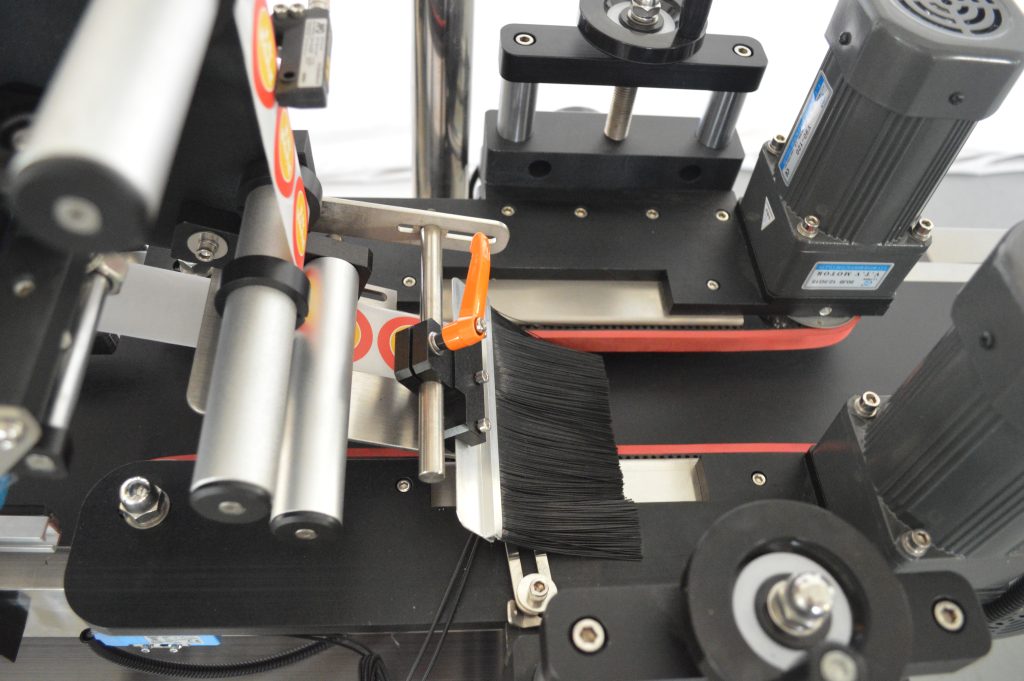
In today’s fast-paced business environment, efficiency and organization are not optional—they are essential. Whether you run a warehouse, retail store, manufacturing unit, or even a home-based business, proper labeling plays a critical role in maintaining order and professionalism. This is where a labeler machine becomes an indispensable tool.
From improving workflow efficiency to enhancing brand presentation, labeler machines have evolved into powerful devices that streamline operations across industries. In this guide, we’ll explore what labeler machines are, their types, benefits, applications, and how to choose the right one for your needs.
What Is a Labeler Machine?
A labeler machine is a device used to print and apply labels onto products, packages, shelves, or equipment. These machines can range from simple handheld devices to advanced automated systems used in large-scale production lines.
Labeler machines typically print text, barcodes, QR codes, or graphics onto adhesive labels, which are then applied to various surfaces. They help businesses maintain consistency, improve traceability, and ensure compliance with labeling standards.
Types of Labeler Machines
Understanding the different types of labeler machines is key to selecting the right one for your business.
1. Handheld Label Makers
These are compact and portable devices ideal for small-scale labeling tasks.
Best for:
- Office organization
- Home use
- Small retail stores
Features:
- Lightweight and easy to use
- Basic text printing
- Battery-powered
- Desktop Label Printers
Desktop models offer more advanced functionality and are commonly used in offices and small businesses.
Best for:
- Shipping labels
- Barcode printing
- Inventory management
Features:
- Higher print quality
- Connectivity (USB, Wi-Fi, Bluetooth)
- Compatible with label design software
- Industrial Labeling Machines
These heavy-duty machines are designed for high-volume operations.
Best for:
- Warehouses
- Manufacturing plants
- Logistics companies
Features:
- High-speed printing
- Durable construction
- Ability to handle large label rolls
- Automatic Label Applicators
These systems automatically apply labels to products on a production line.
Best for:
- Packaging industries
- Food and beverage manufacturing
- Pharmaceutical production
Features:
- Precision application
- Integration with conveyor systems
- Reduced manual labor
Key Benefits of Using a Labeler Machine
1. Improved Efficiency
Manual labeling is time-consuming and prone to errors. A labeler machine significantly speeds up the process, allowing businesses to handle higher workloads with ease.
- Enhanced Accuracy
Labeling errors can lead to costly mistakes, especially in industries like healthcare and logistics. Labeler machines ensure consistent and accurate labeling every time.
- Professional Appearance
Clean, uniform labels improve the overall presentation of products, which can positively impact customer perception and brand credibility.
- Better Inventory Management
With barcode and QR code labeling, businesses can easily track inventory, reduce losses, and streamline stock management.
- Cost Savings
While there is an initial investment, labeler machines reduce labor costs and minimize waste caused by incorrect labeling.
Common Applications Across Industries
Labeler machines are versatile and widely used across various sectors:
Retail
- Price tagging
- Product labeling
- Shelf organization
Warehousing & Logistics
- Barcode labeling
- Shipping and tracking labels
- Inventory control
Manufacturing
- Product identification
- Batch labeling
- Compliance labeling
Healthcare
- Patient identification
- Medication labeling
- Laboratory samples
Food & Beverage
- Expiry date labeling
- Nutritional information
- Packaging labels
Key Features to Look for in a Labeler Machine
When choosing a labeler machine, consider the following features:
Print Quality
High-resolution printing ensures clear and readable labels, especially for barcodes and small text.
Connectivity Options
Look for machines that support USB, Bluetooth, or Wi-Fi for seamless integration with your systems.
Label Compatibility
Ensure the machine supports various label sizes and materials suitable for your application.
Ease of Use
User-friendly interfaces and intuitive controls can save time and reduce training requirements.
Durability
For industrial use, choose machines built with robust materials that can withstand demanding environments.
Software Integration
Advanced labelers come with software that allows customization, database integration, and automation.
How to Choose the Right Labeler Machine
Selecting the right labeler machine depends on your specific needs:
1. Define Your Usage
Are you labeling a few items daily or thousands per hour? Your volume requirements will determine the type of machine you need.
- Consider Your Industry
Different industries have unique labeling requirements. For example, food businesses need waterproof and temperature-resistant labels.
- Evaluate Your Budget
Balance your budget with the features you need. Investing in a slightly higher-end model can save costs in the long run.
- Check Scalability
Choose a machine that can grow with your business to avoid frequent upgrades.
- Look for Support and Warranty
Reliable customer support and warranty coverage are essential for minimizing downtime.
Labeling Trends to Watch
The labeling industry continues to evolve with technological advancements. Here are some trends shaping the future:
Smart Labels
Integration with RFID and IoT technologies allows real-time tracking and data collection.
Eco-Friendly Labels
Businesses are increasingly adopting sustainable labeling materials to reduce environmental impact.
Custom Branding
Personalized labels are becoming a powerful marketing tool for businesses to stand out.
Automation Integration
More companies are integrating labeler machines with automated systems for seamless operations.
Maintenance Tips for Long-Term Performance
To get the most out of your labeler machine, follow these maintenance tips:
- Clean the print head regularly
- Use high-quality label materials
- Avoid overloading the machine
- Update software and firmware
- Store in a dust-free environment
Proper maintenance ensures consistent performance and extends the lifespan of your equipment.
Final Thoughts
A labeler machine is more than just a tool; it’s a productivity booster, a branding asset, and a critical component of efficient business operations. Whether you’re managing inventory, shipping products, or enhancing your brand image, the right labeling solution can make a significant difference.
By understanding your needs and choosing the appropriate type of labeler machine, you can streamline processes, reduce errors, and create a more organized and professional environment.
If your business relies on labeling in any capacity, investing in a high-quality labeler machine is not just a smart choice, it’s a strategic one.
