

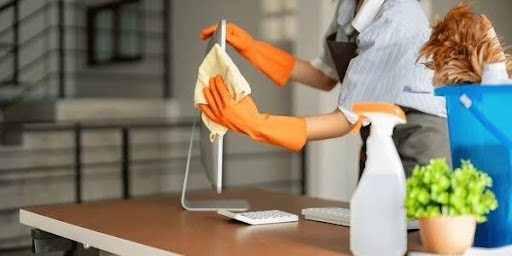
Most offices receive routine cleaning, with desks wiped, floors mopped, and bins emptied. That keeps visible surfaces tidy, but it does not address what quietly accumulates over time, such as dust and allergens trapped in carpet fibres, grime behind furniture, buildup inside air vents, or residue under kitchen appliances. Deep cleaning services target these hidden layers on a scheduled cycle. Skip them too long, and you get rising sick days, declining air quality, and a workspace that looks tired no matter how often the surface gets wiped.
Schedule them too frequently, and you waste budget. The right frequency depends on how many people use the space, how heavily shared areas are trafficked, and what kind of visitors come through the door.
What Happens When Deep Cleaning Gets Delayed?
The consequences of skipping deep cleans are not always visible immediately. They build gradually and show up in places most office managers do not check until the problem is obvious.
Within 8 to 12 weeks of no deep cleaning:
- Carpet fibres trap enough dust mites and allergens to trigger respiratory complaints
- Air vent buildup starts circulating stale, particulate-heavy air through every room
- Restroom grout, drains, and fixture joints develop bacterial colonies beneath surface cleaners
- Upholstery on chairs and sofas absorbs body oils, sweat, and spills that routine wiping misses
- Kitchen appliance interiors, cabinet corners, and sink drains accumulate grease and food residue
By the time these issues become visible or produce odours, the contamination has been affecting air quality and employee health for weeks.
Deep Cleaning vs Routine Cleaning: What Actually Gets Done?
Routine cleaning maintains appearances. Deep cleaning services restore hygiene. The scope is fundamentally different.
| Task | Routine Clean | Deep Clean |
| Desk and surface wiping | Yes | Yes (plus sanitization) |
| Floor vacuuming and mopping | Yes | Yes (plus carpet extraction) |
| Bin emptying | Yes | Yes (plus bin sanitization) |
| Air vent and duct cleaning | No | Yes |
| Upholstery and fabric cleaning | No | Yes |
| Baseboard, ceiling, and light fixture dusting | No | Yes |
| Behind and underneath furniture | No | Yes |
| Full restroom deep sanitization | No | Yes |
| Kitchen appliance interiors | No | Yes |
Routine cleaning handles the daily cycle. Deep cleaning handles everything that accumulates between those daily visits.
The Right Schedule Based on Your Office Size
Rather than a fixed rule, the ideal deep cleaning frequency scales with the number of people generating wear, the volume of shared space usage, and the visitor load.
- Small offices (1 to 10 employees): Deep clean every 3 to 6 months, paired with weekly routine cleaning. Lean toward 3 months if clients visit regularly.
- Medium offices (10 to 50 employees): Deep clean every 2 to 3 months. Shared kitchens, meeting rooms, and restrooms see enough use to require it.
- Large offices (50+ employees): Deep clean every 1 to 2 months. High-touch areas, shared desks, and constant visitor flow accelerate the buildup beyond what routine teams reach.
At every size, the schedule should flex based on seasonal changes, illness patterns, and visitor volume rather than staying fixed year-round.
Six Triggers That Mean You Should Clean Sooner
The baseline schedule covers normal operating conditions. These situations call for an additional deep clean outside the regular cycle.
1. Seasonal Changeover
Autumn and spring bring higher pollen and allergen loads that settle into carpets and vent systems. A deep clean at the start of each season resets the indoor environment.
2. Post-Illness Outbreak
A cold, flu, or stomach bug moving through the office means contamination has spread to surfaces, fabrics, and shared equipment that routine cleaning does not address.
3. High Visitor Period
Open days, recruitment events, client tours, or seasonal business rushes increase foot traffic and surface contamination beyond normal levels.
4. Post Construction or Renovation
Building dust settles into every surface and vent. A full deep clean is mandatory before the space is safe for daily occupancy.
5. Staff Feedback
Complaints about air quality, odours, or visible grime signal that the current schedule is falling behind the actual accumulation rate.
6. Compliance Audit
Health-sensitive offices like clinics, dental practices, and food service areas may require documented deep cleaning services records at specific intervals to meet regulatory standards.
How to Match the Schedule to Your Specific Office
Every office is different. These three steps help you set the right frequency rather than guessing:
- Audit the space: Walk through every room and note which areas show the most wear, odour, or buildup between routine cleans.
- Track triggers: Monitor sick day patterns, seasonal changes, and visitor volume over two to three months to spot spikes.
- Review and adjust: Run the initial schedule for one quarter, then assess using employee feedback, air quality, and carpet condition.
Takeaway
Deep cleaning frequency is driven by office size, traffic, and real-world triggers rather than a fixed calendar rule. Small offices need it every three to six months. Medium offices are every two to three. Large offices, monthly or bimonthly. Seasonal changes, illness outbreaks, and visitor surges all call for additional sessions. The offices that stay healthiest are the ones that treat deep cleaning as a responsive system rather than a checkbox.
A cleaning program that considers how each office is used makes a noticeable difference. Assessing areas with heavy buildup, scheduling around usage patterns, and using trained crews with the right equipment ensures the work reaches places that routine cleaning misses. This is the approach behind DLL Cleaning Services, which tailors deep cleaning schedules to each office, keeping spaces genuinely clean and safe without guesswork.
